Discover Namibia
Namibia, located in southwestern Africa, is a country renowned for its vast desert landscapes, unique wildlife, and cultural diversity. Known as "the land of wide-open spaces," Namibia is one of the least densely populated countries globally, making it a tranquil destination with striking natural beauty.
Book Your Tour Now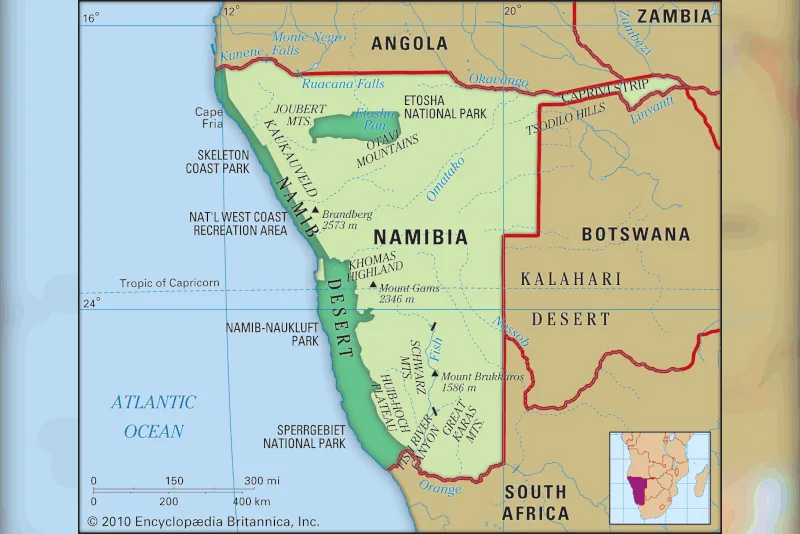
Geography
Namibia spans approximately 824,000 square kilometres, offering diverse environments that range from the towering sand dunes of the Namib Desert to the rugged mountains of the Central Plateau.
One of the country's most iconic natural attractions is Sossusvlei, a salt and clay pan surrounded by some of the world's tallest dunes. The Skeleton Coast, known for its shipwrecks and foggy shores, contrasts with the lush green Caprivi Strip in the northeast. Namibia's diverse geography also includes the Etosha Pan, a massive salt flat that becomes a haven for wildlife after seasonal rains.
"Knowledge is a garden. If it isn't cultivated, you can't harvest it."
— African Proverb
Climate
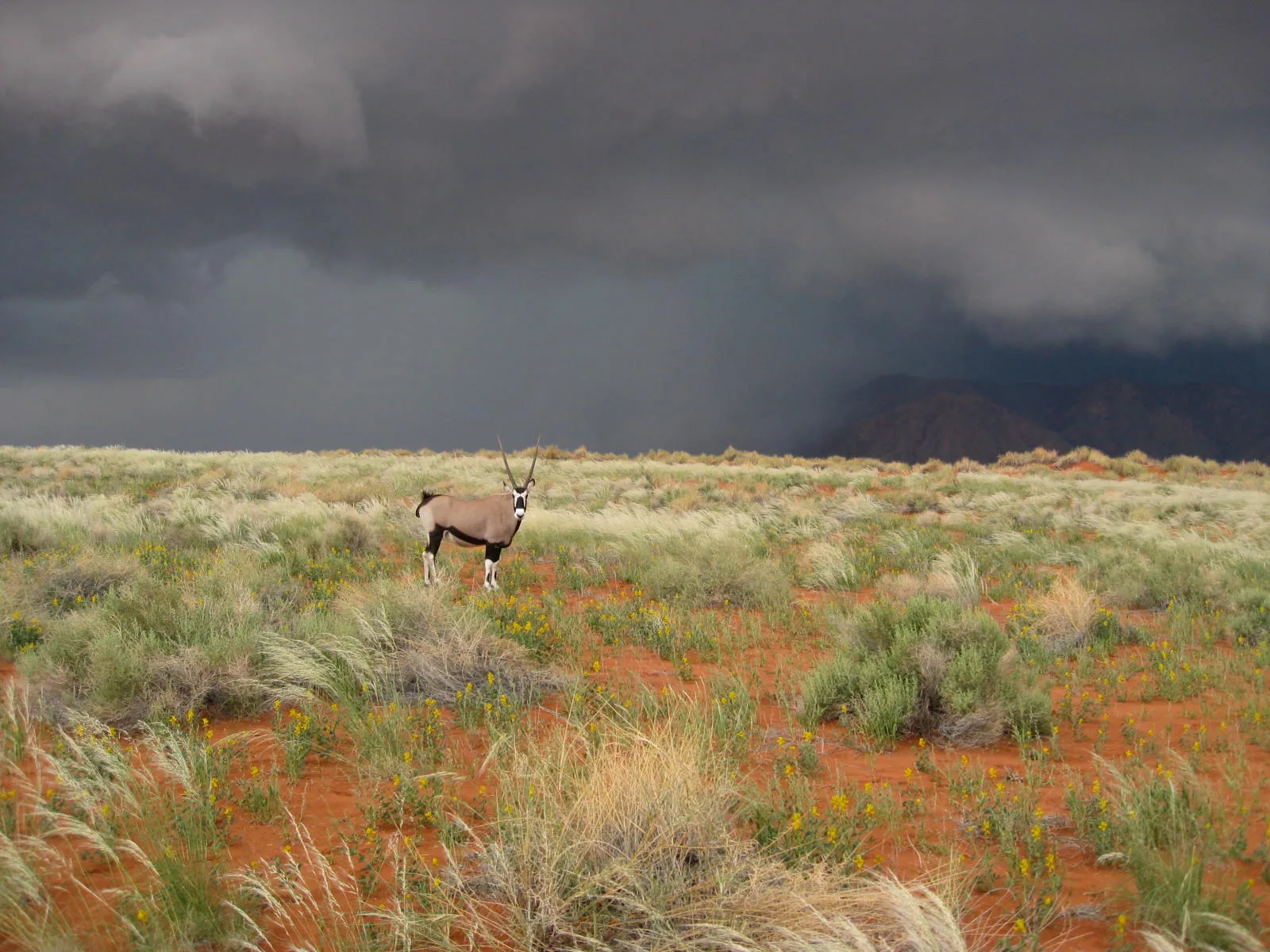
Namibia has an arid to semi-arid climate, with large areas covered by deserts like the Namib and the Kalahari. The coastal regions, cooled by the Benguela Current, remain dry and cool throughout the year, while the interior experiences hot summers and cooler winters.
Rain is scarce, particularly in the desert regions, but the north and northeast — the Caprivi Strip — receive more rainfall, supporting a richer and more varied ecosystem.
"When the music changes, so does the dance."
— African Proverb
Heritage
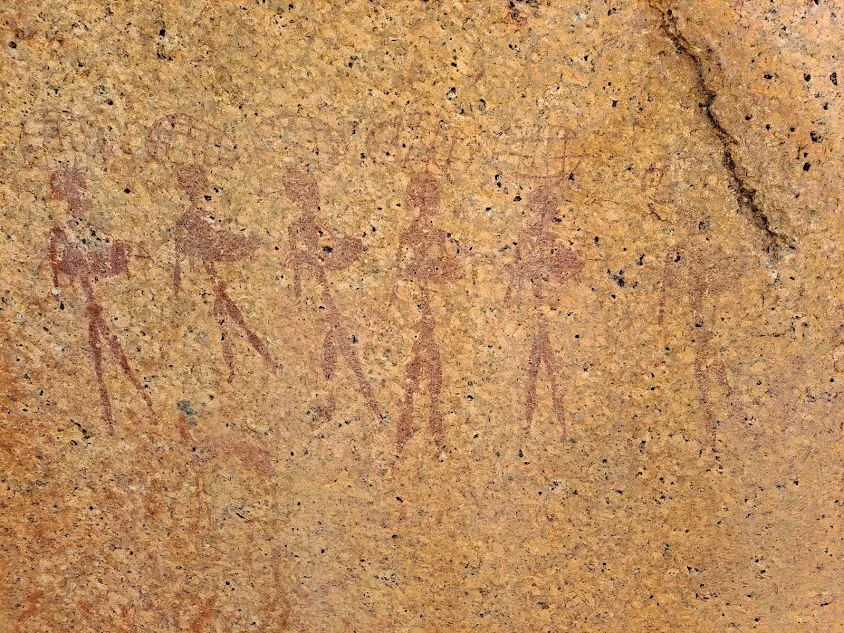
Namibia's history is rich and ancient, with traces of early human settlement evident in rock engravings and paintings dating back tens of thousands of years. Various indigenous groups, including the San and Himba, have long called the region home.
European colonisation in the 19th century brought significant upheaval, with Namibia becoming a German colony. After World War I, the country came under South African administration until achieving independence in 1990 after a long liberation struggle led by the South West Africa People's Organisation (SWAPO).
"If you want to go fast, go alone. If you want to go far, go together."
— African Proverb
Wildlife
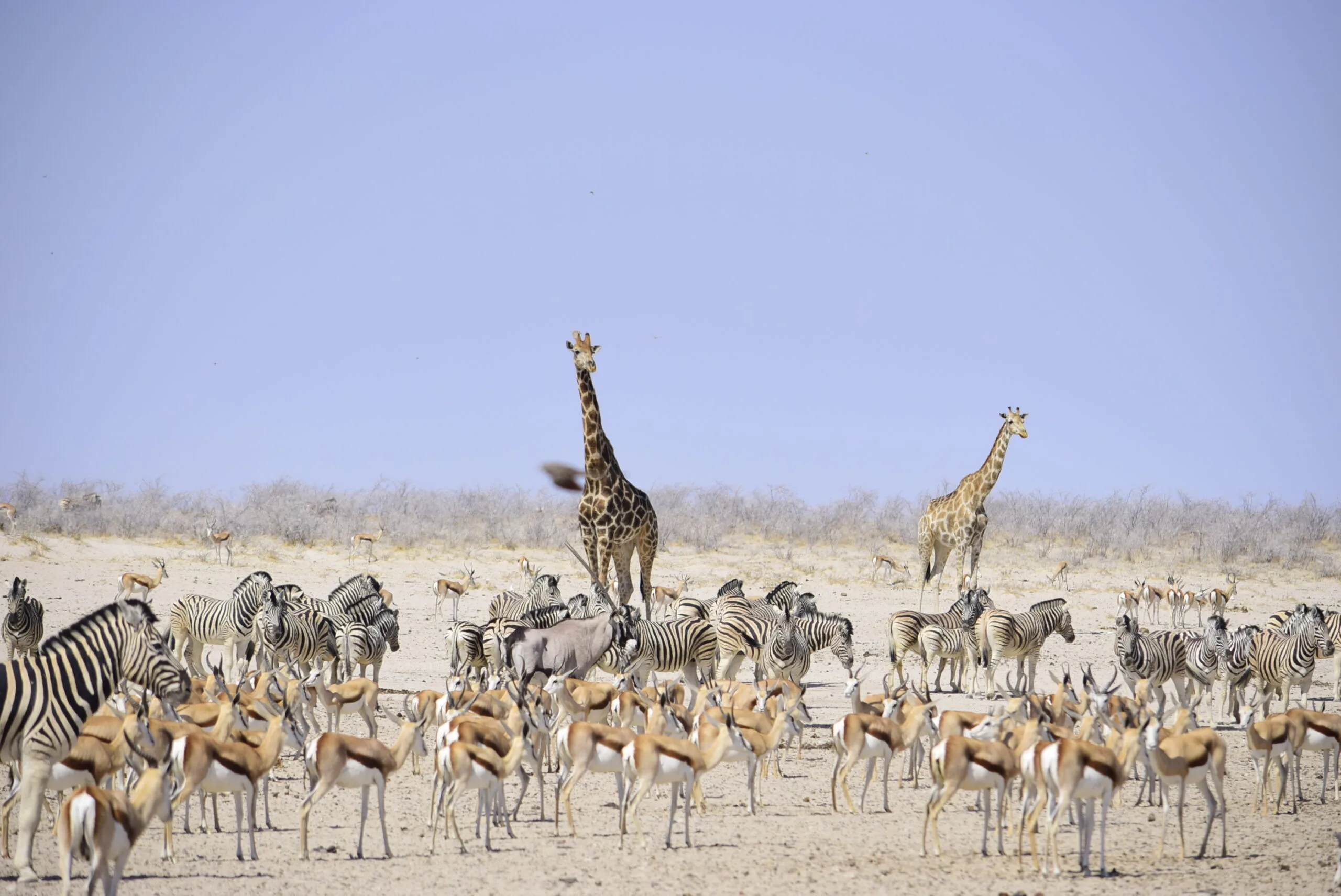
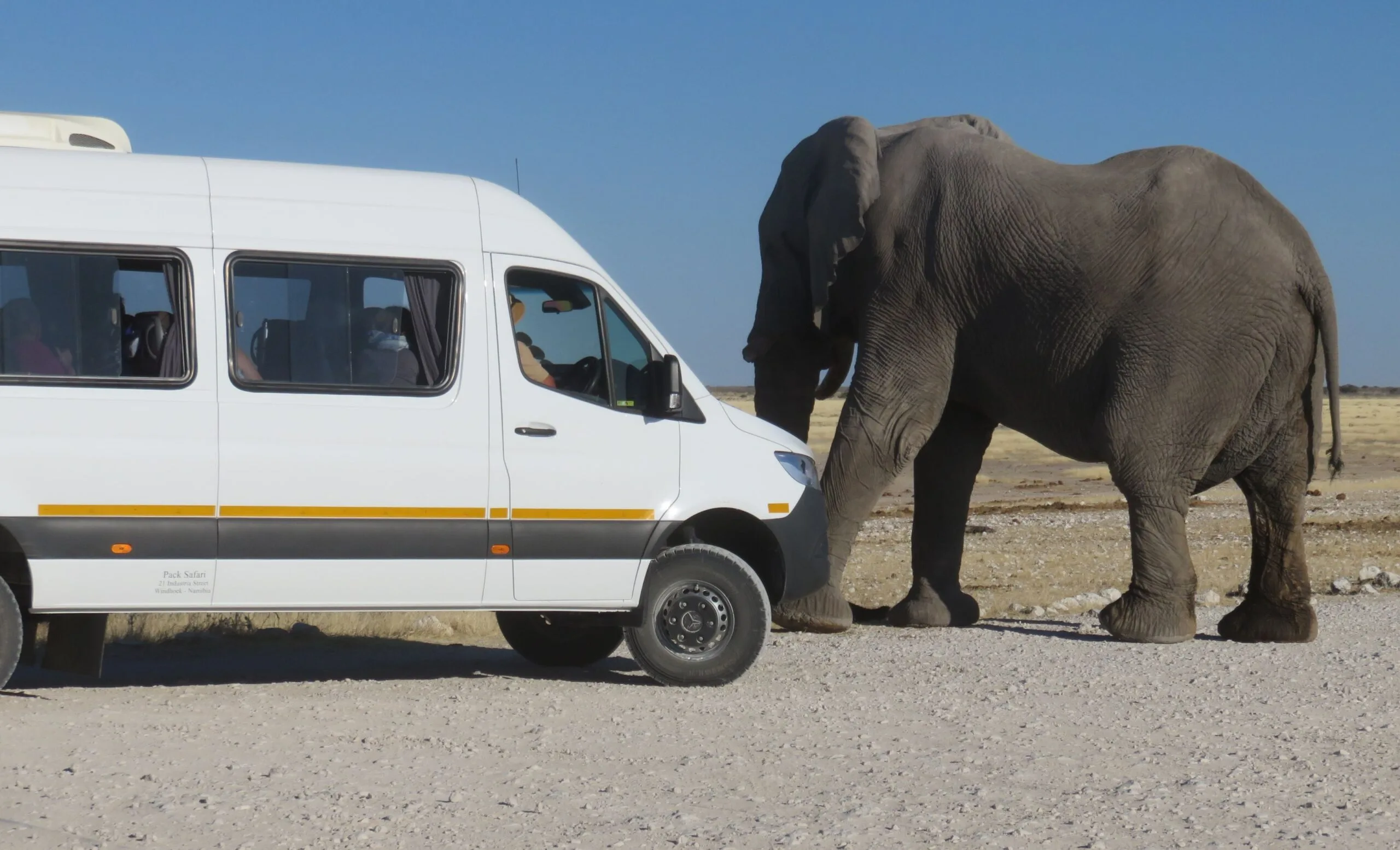
Namibia is known for its progressive approach to conservation, particularly through its community-based conservancies. The country is a leader in wildlife protection, with Etosha National Park being one of the largest and most famous wildlife reserves in Africa.
Visitors can spot species like elephants, rhinos, lions, and giraffes, as well as unique desert-adapted species like the oryx and springbok. Namibia also offers excellent opportunities for birdwatching, particularly in the wetlands of the Caprivi region.
"Do not look where you fell. Look where you slipped."
— African Proverb
Final Thoughts
Namibia's combination of stunning landscapes, fascinating history, and commitment to wildlife conservation makes it a unique and unforgettable destination.
Whether you are exploring the dunes of the Namib Desert or tracking wildlife in Etosha, Namibia offers a one-of-a-kind adventure in Africa's great wilderness.
"When you educate a man you educate an individual. When you educate a woman you educate a generation."
— African Proverb
Discover More Destinations
Extend your adventure — explore the other countries we travel to across Southern Africa.
-
Discover Botswana
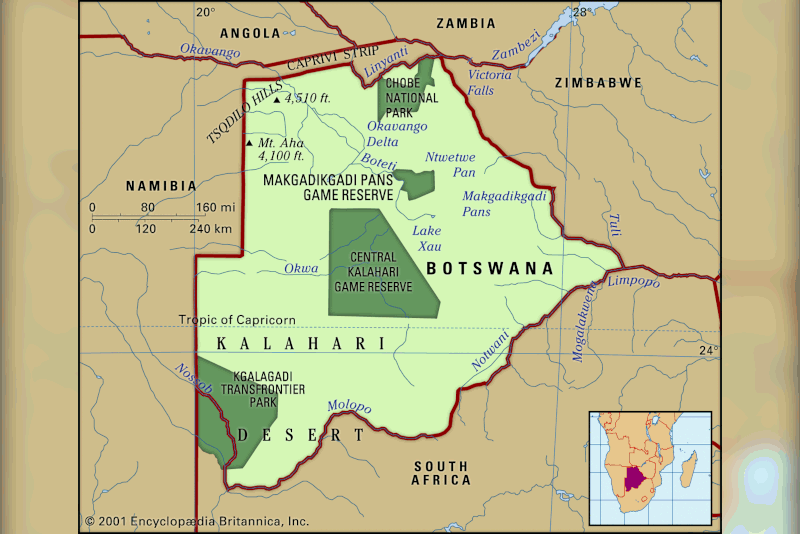
From the vast stretches of the Kalahari Desert to the stunning wetlands of the Okavango Delta, Botswana offers a unique blend of natural beauty and cultural richness.
-
Discover South Africa
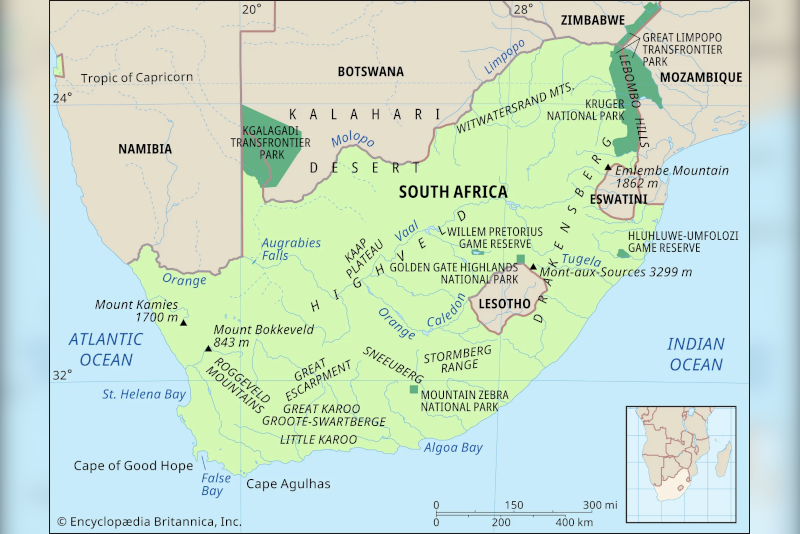
South Africa offers a unique blend of environments, from the arid desert regions to lush subtropical zones, making it a destination with a wide variety of experiences.
-
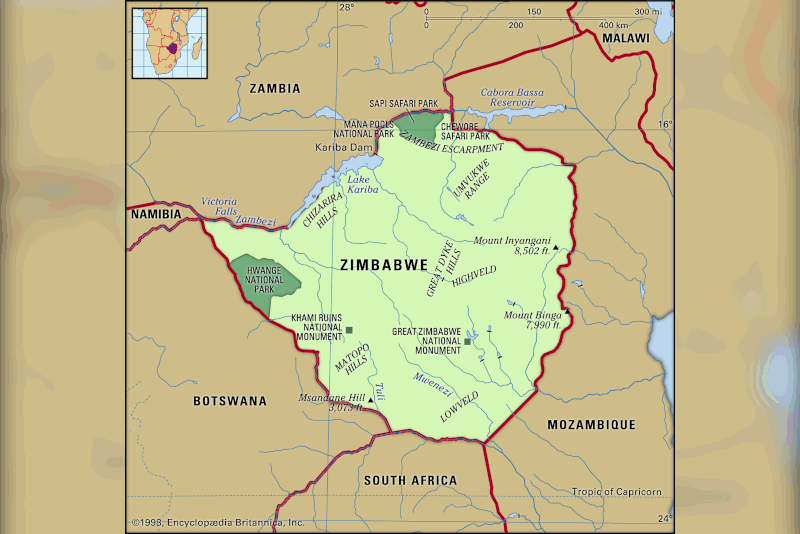
Discover Zimbabwe
Often referred to as "The Jewel of Africa," Zimbabwe boasts some of the continent's most famous landmarks and natural wonders.
"He who has not travelled widely thinks his mother is the only cook."
— African Proverb